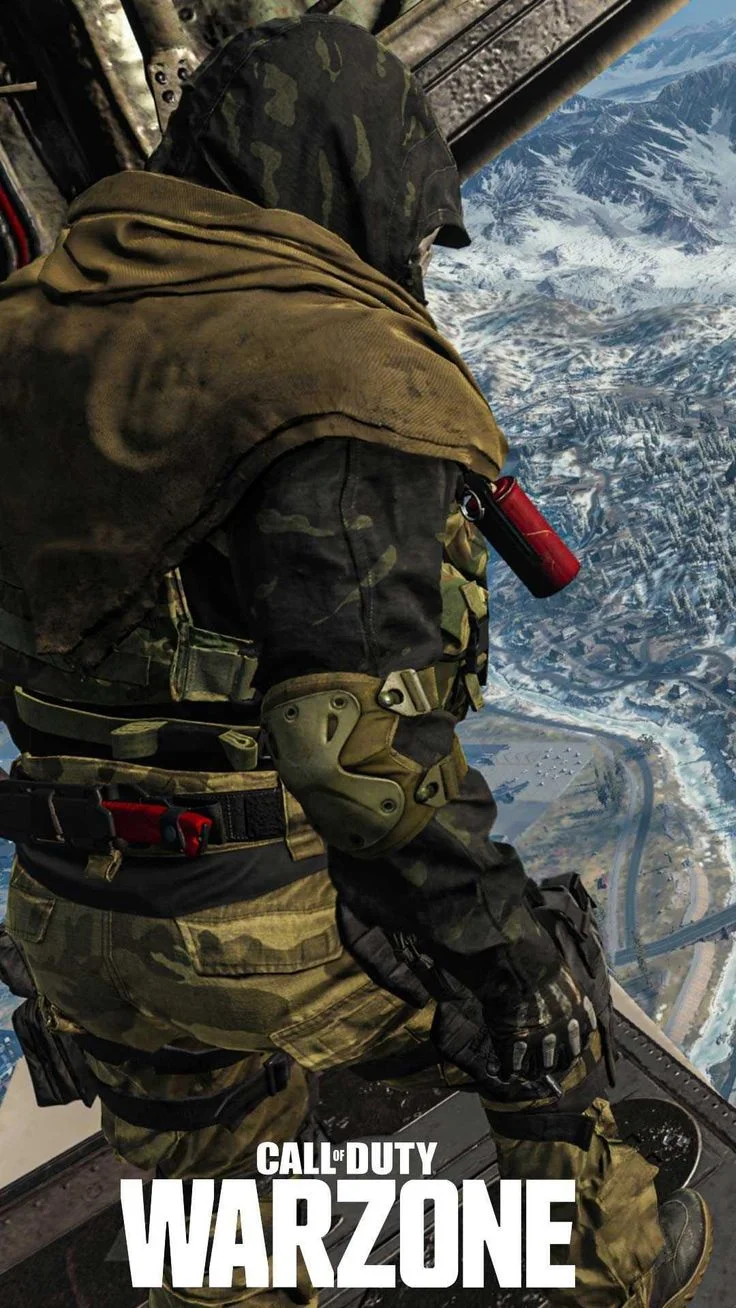
Call of Duty: Warzone
FPS performance data for different CPU and GPU combinations
A massive free-to-play combat arena featuring fast-paced Battle Royale action and signature Call of Duty gunplay.
Minimum Requirements
- CPU: Intel Core i5-6600K / AMD Ryzen 5 1400
- GPU: NVIDIA GeForce GTX 960 / AMD Radeon RX 470
- RAM: 8 GB
- Storage: 125 GB SSD
FPS Performance Dashboard
Compare FPS performance across different hardware configurations. Add systems to see how they perform at various resolutions and quality settings.
About Call of Duty: Warzone
Call of Duty: Warzone is a premier free-to-play Battle Royale experience that translates the franchise's tight, arcade-style shooting mechanics into a massive open-world format. Dropping into expansive maps like Urzikstan or Rebirth Island, players must scavenge for loot, complete contracts, and outmaneuver up to 120 opponents as a deadly gas circle closes in. Unlike traditional shooters with a linear narrative, Warzone focuses on emergent storytelling through high-stakes survival gameplay, utilizing operators and weaponry integrated from the Modern Warfare timeline.
The game maintains a massive global following thanks to its fluid movement system, the innovative 'Gulag' mechanic which offers a second chance at life, and full cross-platform compatibility. It serves as a central hub for the Call of Duty community, bridging the gap between casual play and a thriving competitive esports scene. The deep weapon customization system, known as the Gunsmith, keeps players engaged by constantly shifting the competitive 'meta,' requiring squads to adapt their loadouts season after season.
regarding performance, Warzone is a hardware-intensive title that relies heavily on CPU performance to handle high player counts and long draw distances. While the game engine is scalable, it is notorious for its large storage footprint and asset streaming demands, making a fast NVMe SSD practically mandatory to avoid stuttering. For gamers benchmarking their systems, the title supports upscaling tech like DLSS and FSR, which are highly recommended to achieve the high refresh rates necessary for competitive responsiveness.