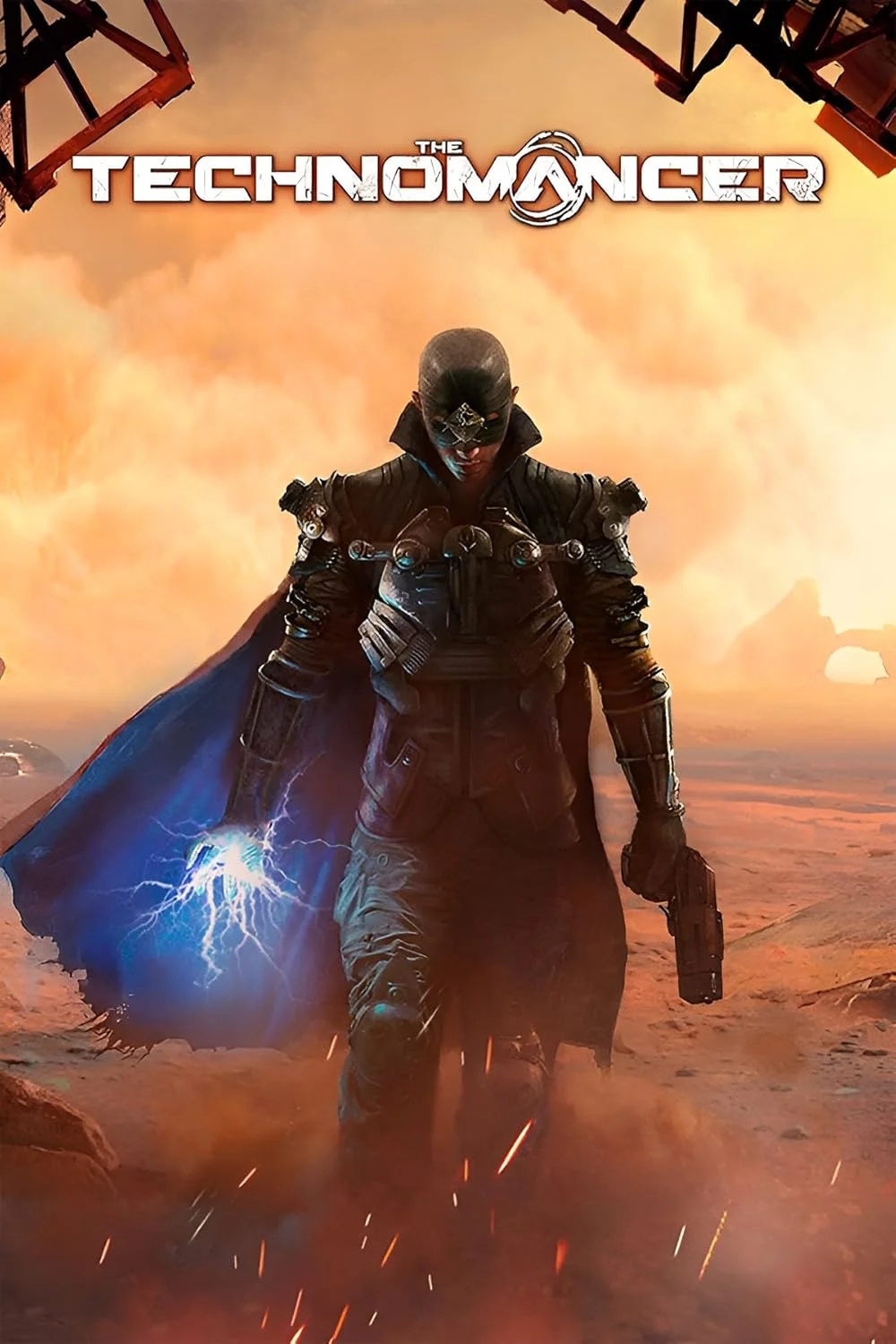
The Technomancer
This combination provides smooth gameplay with an average of 60 FPS, suitable for most gaming scenarios.
Average FPS: resolution vs quality settings
| Ultra | High | Medium | Low | |
|---|---|---|---|---|
| 4K Ultra HD | 22 | 29 | 33 | 44 |
| 1440p QHD | 41 | 52 | 61 | 79 |
| 1080p Full HD | 62 | 80 | 93 | 121 |
Cell color: green is 120+ FPS, teal is 60+, amber is 30+, red is below 30.
The Technomancer with Intel Core i5-14600KF + Intel Arc B570, In-Depth Analysis
The Technomancer, a 2016 action RPG, places specific demands on hardware that are made clear through the measured frame rates for the combination of the Intel Core i5-14600KF and the Intel Arc B570. This pairing presents an interesting study in how a modern processor with high multi-threaded capability interacts with a newer graphics card to handle a last-generation title. The benchmark data, which is marked as measured, offers a complete view across three resolutions and four quality settings, allowing for a definitive analysis of where the bottleneck lies and which settings yield the most playable experience. The core narrative of this data set is one of a capable graphics card that is clearly the primary constraint at higher resolutions and is a strong pairing with a CPU that is not holding it back at lower resolutions.
Resolution Scaling
The transition from 1920x1080 to 3840x2160 provides a clear illustration of how the graphics card becomes the central bottleneck as pixel count increases. At 1080p with the High preset, the measured average is 80 FPS. Stepping up to 1440p at the same High preset reduces the average to 52 FPS, a 35% drop. Moving to 4K at High, the average plummets to 29 FPS, which is a 44% drop from the 1440p number and a 64% drop from the 1080p figure. This pattern of significant frame losses with each resolution increase is a primary indicator of GPU limitation; the Intel Arc B570 is working harder to fill the increased pixel count, and the frame rate falls correspondingly.
The 4K resolution data reveals the most about the limiting component. With the Ultra preset, the average FPS is 22, which is borderline for playability. The Medium preset at 4K only yields 33 FPS average, with a minimum of 28 and a maximum of 39. Even the Low preset, which is typically designed to be the easiest on the GPU, only reaches 44 FPS at 4K. These numbers show that the GPU is the most prominent bottleneck at this resolution, as even the most significantly reduced settings cannot push the frame rate into a range that a high refresh rate monitor would demand. The data indicates that for this pairing, 4K gaming is only possible if the user is willing to accept lower frame rates and adjust settings accordingly.
At 2560x1440, the situation is more balanced. The High preset yields 52 FPS, which is notably above the 4K High performance but still shows a significant drop from the 1080p High. The Low preset at 1440p jumps to 79 FPS, and the Medium preset to 61 FPS, with a minimum of 52 and a maximum of 70. This indicates that the 1440p resolution is the first point where the GPU's performance is more moderate, and the scaling from Low to High is not as steep as it is at 4K. The difference between Low and High at 1440p is 27 FPS, whereas at 4K the difference is 15 FPS, showing a more responsive scaling to settings at 1440p.
The data for the 1080p resolution shows the strongest performance and the least impact from resolution scaling. High preset scores 80 FPS, the Medium scores 93 FPS, Low scores 121 FPS, and Ultra scores 62 FPS. The gap between the Low and Ultra sets is 59 FPS, which is a substantial range and suggests that the GPU is not as constrained at this resolution. The results indicate that at 1080p, the CPU is more likely to be the limiting factor for the highest possible frame rates, but the GPU is still the primary influence on the results across the other settings.
GPU Role
The Intel Arc B570 has a 10 GB GDDR6 memory pool on a 160-bit bus, which provides a 380.0 GB/s of bandwidth. This is a critical factor for a game like 2016's The Technomancer, which causes a significant load. The memory size and bandwidth are directly relevant to the frame rates seen in the data. With 10 GB of memory, the GPU can hold a large amount of game assets, but the bandwidth will be the key factor in how well it can stream those assets to the screen. The 380.0 GB/s number is a spec that, when compared to the measured FPS results, shows how the bandwidth is a limiting factor at higher resolutions, where the GPU must access more data for each frame.
The clocks of the GPU are also notable. It has a base and boost clock of 2500 MHz. This high clock speed helps the B570 in its performance, but the data shows that the GPU is still more limited by its memory bandwidth and its overall compute power. The B570's 2304 shading units and 144 TMUs are the core of the graphics processing, and the 80 ROPs are responsible for the final pixel output. The pixel rate of 200.0 GPixel/s and texture rate of 360.0 GTexel/s are high, but the frame rates at 4K suggest that the GPU is still bound by other factors, likely the fill rate or the shader complexity of the scene.
The GPU's performance in the 3DMark Steel Nomad DX12 test, which scores 2649, is a benchmark for its DirectX 12 performance. This is one of several benchmarks, and the average benchmark score is 20556, placing it in the 65th percentile of all GPUs. This is a solid score, but it is not at the top of the range. The nearestRivals data shows that the Intel Arc A750 is a close comparer, with the B570 being just 0.1% slower than the A750 in average score. This places the B570 in a competitive position, but the data for The Technomancer shows that even with this performance, the 4K resolution is a heavy load for the GPU. The GPU is the component that is most directly responsible for the frame rate results, and the data shows a consistent pattern of lower frame rates at higher resolutions and higher settings, which is the expected behavior for a GPU-bound scenario.
FAQ
Q: What is the average FPS at 1080p with the High preset?
A: The data shows an average of 80 FPS at 1920x1080 with the High preset.
Q: Is the game playable at 4K with this CPU and GPU?
A: The data shows an average of 29 FPS at 3840x2160 with the High preset, and 22 FPS with the Ultra preset. These are below the typically desired 60 FPS, but the Low preset at 4K yields 44 FPS, which can be considered playable for a slower-paced game.
Q: What is the difference in frame performance between 1080p and 1440p at the High preset?
A: The average at 1080p High is 80 FPS, and at 1440p High it is 52 FPS, representing a 28 FPS drop (35% lower) when moving to the higher resolution.
Q: Which settings at 1440p provide the best balance of performance and quality?
A: By the data, at 2560x1440 the Medium preset has an average of 61 FPS (with a range of 52-70), which is above the 50 FPS threshold. The Low preset is 79 FPS, and the High preset 52 FPS, so Medium gives a good balance.
Q: What is the frame rate at 1080p Low preset?
A: The 1920x1080 Low preset averages 121 FPS, which is the highest measured in the data set.
Q: How much of a difference in performance is there between the Low and Ultra presets at 1440p?
A: At 2560x1440, the Low preset averages 79 FPS, and the Ultra preset averages 41 FPS, a difference of 38 FPS.
How This Combo Ranks
The combination of the Intel Core i5-14600KF and the Intel Arc B570 holds a rank of 2972 out of 3696 tested in The Technanceter. This is a low rank, indicating that this combo is not in the top tier of performance for this game, which is a reasonable result given the GPU's 65th percentile and the game's age and requirements. The CPU is a high-performance part, with a percentile of 90 for all CPUs, but the GPU is the limiting factor in this pairing for this game. The rank shows that a large number of other combinations are better for this game, but the data is not a reflection of the individual components' overall capabilities.
The rank data is 2972 out of 3696, which is in the bottom 20% of the tested combinations. This suggests that for The Technomancer, this combination is not an ideal one. However, this is a result of the game being more demanding on the GPU than the CPU, and the Arc B570, while a capable card, cannot compete with the higher-end GPUs that are in the top ranks. The CPU's high core count and clock speeds do not translate into a high rank in this game because the game is not CPU-bound at the resolutions and settings tested. The rank is a direct reflection of the GPU's performance, as the CPU is not a bottleneck in most of the data points.
Measured FPS Breakdown
The full data set provides exact frame rates for each resolution and setting. At 3840x2160, the High preset averages 29 FPS, the Low preset 44 FPS, the Medium preset 33 FPS (with a minimum of 28 and a maximum of 39), and the Ultra preset averages 22 FPS. This is a clear pattern: as the settings increase from Low to Ultra, the average frame rate decreases. The Low preset is 44, the Medium is 33, the High is 29, and the Ultra is 22. The difference between the Low and Ultra settings is 22 FPS, showing a significant impact of the quality settings on the GPU at this resolution.
At 2560x1440, the High preset averages 52 FPS, the Low 79 FPS, the Medium 61 (52-70), and the Ultra 41. The scaling here is less severe than at 4K, but the pattern is the same. The Low preset is 79, the Medium 61, the High 52, and the Ultra 41. The gap between Low and Ultra is 38 FPS, which is a larger absolute difference than at 4K, but the frame rates are more usable.
At 1920x1080, the High preset averages 80 FPS, the Low 121 FPS, the Medium 93 (79-107), and the Ultra 62 FPS. The Low setting is the highest, with an average of 121, and the Ultra is the lowest at 62. The difference is 59 FPS, showing the full range of the settings. The 1080p data shows that the game is capable of high frame rates, and the GPU is not completely overwhelmed at this resolution, but the Ultra is still a challenge.
Settings Recommendations
The data supports a clear recommendation for the best settings to use. At 1920x1080, the Medium preset, with an average of 93 FPS, is an excellent choice. The High preset at 80 FPS is also strong, but the Medium provides a 13 FPS increase over High. The Ultra preset at 62 FPS is below the 70 FPS mark, so it is not the best for a high-refresh-rate monitor. For a balance of visual quality and high frame rate, the Medium preset at 1080p is the superior choice.
At 2560x1440, the Medium setting yields 61 FPS, which is a playable frame rate. The High setting is 52 FPS, which is still playable but not as smooth. The Low is 79, but at 1440p, the quality loss is more noticeable, so the Medium is the best compromise. The Ultra at 41 FPS is too low for a good experience. For 4K resolution, the data shows that the Medium is 33 FPS, High is 29, Low is 44, and Ultra is 22. The Low preset is the only one that reaches a reasonably playable frame rate, but the quality decrease is significant, so 4K is not ideal for this game with this GPU.
The recommendation is that for the best experience, the Medium preset at 1080p or 1440p is the most balanced. The Low preset at 4K is the only option to achieve a playable frame rate, but the visual quality may not be acceptable. The High preset at 1080p is a good option for those who prioritize image quality over a slightly higher frame rate, as it is still above 60 FPS. The data shows that the Medium preset at 1440p is the sweet spot for this combo, offering a playable frame rate with a reasonable visual quality.
CPU Role
The Intel Core i5-14600KF is a 14-core processor that is based on the Raptor Lake architecture. It has a base clock of 3.50 GHz and a boost clock of 5.30 GHz. The CPU's 20 threads and the 24 MB of shared L3 cache are important for the game's logic and AI, but the data indicates that the CPU is not the primary bottleneck in this game. The benchmark results for the CPU, such as the Cinebench R23 multi-core score of 32544 and the Geekbench single-core score of 2445, are strong, but the game's frame rate is more dependent on the GPU.
The CPU's performance is further illustrated by its percentile of 90, which is high. The nearest rivals show that the AMD Ryzen 9000 series has a score of 49228, which is 0.3% lower than the i5-14600KF's score. The i5-14600KF's average benchmark score is 49394, and the data shows that the CPU is not limiting the game. The frame rate drops at higher resolutions are not due to the CPU, but to the GPU. The CPU's performance at lower resolutions is also not a bottleneck, as the 1080p Low preset with 121 FPS is a high frame rate that the CPU can handle.
The CPU's role is to feed the GPU with data. The data shows that at 1080p, the frame rate is high enough that the CPU could be a factor, but the GPU is still the main driver. The CPU's high clock speed and core count are enough to handle the game's AI and physics, and the GPU is the component that is responsible for the visual output. The CPU is not a weak link; the GPU is the component that is holding the performance back. The 2023 CPU, with its 10 nm process and high clock speeds, is more than capable of providing the GPU with the data it needs, and the frame rates are limited by the GPU's rendering capabilities.
In summary, the CPU is a high-performance part that does not limit the game's frame rate. The data shows that the GPU is the bottleneck in The Technomancer, especially at higher resolutions. The CPU's role is to support the GPU, and it does this without being a limiting factor. The CPU's strong performance in the benchmarks is not the reason for the low rank; it is the GPU's performance that determines the rank for this game. The CPU is a capable component, and the combination is only limited by the GPU's performance at the higher resolutions and settings.
Hardware Specifications
Intel Core i5-14600KF
Intel Arc B570
FPS Benchmarks by Resolution & Settings
Performance data for Intel Core i5-14600KF + Intel Arc B570 in The Technomancer
| Resolution | Settings | Avg FPS |
|---|---|---|
| 3840x2160 | Low | 44.0 |
| 3840x2160 | Medium | 33.0 |
| 3840x2160 | High | 29.0 |
| 3840x2160 | Ultra | 22.0 |
| 2560x1440 | Low | 79.0 |
| 2560x1440 | Medium | 61.0 |
| 2560x1440 | High | 52.0 |
| 2560x1440 | Ultra | 41.0 |
| 1920x1080 | Low | 121.0 |
| 1920x1080 | Medium | 93.0 |
| 1920x1080 | High | 80.0 |
| 1920x1080 | Ultra | 62.0 |
The Technomancer with ii5-14600KF + Other GPUs
See how The Technomancer performs with the same CPU but different graphics cards.
The Technomancer with Arc B570 + Other CPUs
See how The Technomancer performs with the same GPU but different processors.
Other Games with ii5-14600KF + Arc B570
Explore FPS benchmarks for other games using this same hardware combination.