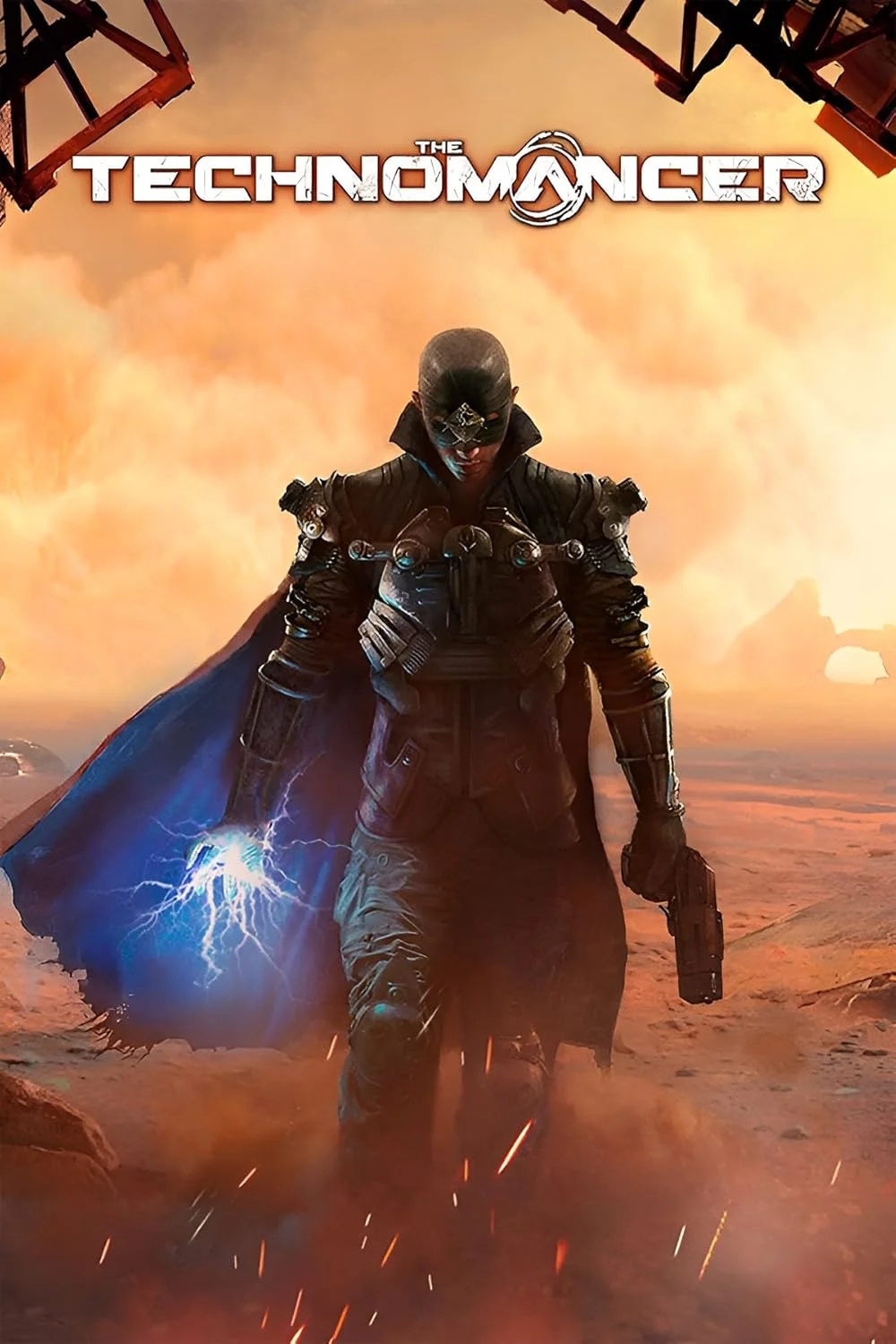
The Technomancer
This combination delivers exceptional performance with an average of 147 FPS, perfect for high refresh rate gaming and competitive play.
Average FPS: resolution vs quality settings
| Ultra | High | Medium | Low | |
|---|---|---|---|---|
| 4K Ultra HD | 55 | 70 | 82 | 107 |
| 1440p QHD | 100 | 128 | 149 | 195 |
| 1080p Full HD | 152 | 195 | 229 | 298 |
Cell color: green is 120+ FPS, teal is 60+, amber is 30+, red is below 30.
The Technomancer with Intel Core i7-14700KF + NVIDIA GeForce RTX 4080, In-Depth Analysis
The Technomancer, a 2016 Action RPG, presents an interesting case study in how modern high-end hardware handles an older title. The combination of the Intel Core i7-14700KF and the NVIDIA GeForce RTX 4080 produces a wide spread of performance across different resolutions and settings, revealing where the bottlenecks lie and how the game scales with system capability. This analysis breaks down the measured frame rates to provide a clear picture of what this specific hardware pairing delivers.
Resolution Scaling
The data shows a predictable, yet steep, drop in frame rates as resolution increases, which is a clear indicator of the growing load on the graphics card. At 1080p with Low settings, the system achieves an average of 298 FPS. Moving to 1440p at the same settings drops the average to 195 FPS, and at 4K, it further falls to 107 FPS. This scaling pattern demonstrates that even at the lowest visual fidelity, the sheer pixel count at higher resolutions becomes a significant task for the GPU to manage.
The trend is consistent across all settings. With High settings, the average frame rate goes from 195 FPS at 1080p, down to 128 FPS at 1440p, and finally to 70 FPS at 4K. The difference between 1080p and 1440p is a reduction of 67 FPS, while the jump from 1440p to 4K results in a further reduction of 58 FPS. This indicates that the performance cost is not linear, but the GPU is consistently the primary limiting factor as resolution climbs.
The behavior at 4K is particularly telling. The gap between Low (107 FPS) and Ultra (55 FPS) settings is a massive 52 FPS, nearly a 50% reduction in performance. This wide delta suggests that at 4K, the RTX 4080 is being pushed hard, and the game's visual effects at higher presets are extremely demanding on the GPU's compute and memory resources. The 1080p results, where even Ultra settings yield 152 FPS, suggest that the CPU is more capable of feeding frames, and the GPU is not yet the sole bottleneck.
The data implies that this CPU-GPU combination is well-balanced for high-refresh-rate 1080p and 1440p gaming, but at 4K, the GPU becomes the definitive constraint. The frame rate scaling from 1080p to 4K highlights the increasing importance of the GPU's rendering capabilities over the CPU's processing power for this title.
FAQ
Q: What is the maximum average frame rate achievable with this hardware at 1080p?
A: The highest average frame rate recorded is 298 FPS, which is achieved at 1080p with the Low settings preset.
Q: How much of a performance hit does the Ultra preset take compared to High at 1440p?
A: At 1440p, the High preset averages 128 FPS, while the Ultra preset averages 100 FPS. This represents a 28 FPS reduction in average performance for the higher visual quality.
Q: Is the RTX 4080 capable of delivering a smooth 4K experience in this game?
A: Yes, the data shows that at 4K with Medium settings, the system averages 82 FPS, which is above the common 60 FPS threshold for smooth gameplay. Even the High preset at 70 FPS is playable, though the Ultra preset drops to 55 FPS.
Q: What is the lowest average frame rate recorded across all tested configurations?
A: The lowest average frame rate is 55 FPS, which occurs exclusively at the 4K resolution with the Ultra settings preset applied.
Q: Is there a large difference in performance between the Low and Medium presets at 1080p?
A: Yes, the difference is substantial. The Low preset achieves an average of 298 FPS, while the Medium preset averages 229 FPS, a gap of 69 FPS. This suggests the Medium preset introduces significantly more visual effects that tax the GPU.
Q: Does the game maintain a minimum frame rate above 60 FPS at 1440p with Medium settings?
A: Yes, the data for this configuration lists a minimum FPS of 127 and a maximum of 172, with an average of 149 FPS. This indicates consistent performance well above the 60 FPS mark.
GPU Role
The NVIDIA GeForce RTX 4080, with its 16 GB of GDDR6X memory on a 256-bit bus, provides a substantial amount of bandwidth (716.8 GB/s) and capacity. In The Technomancer, this memory configuration appears to be more than sufficient, as the primary performance differences between settings are driven by compute load rather than memory limitations. The card's high memory bandwidth ensures that texture streaming and data transfer are not likely bottlenecks, even at 4K resolutions.
The GPU's clock speeds, with a base of 2205 MHz and a boost of 2505 MHz, are relatively high and contribute to its raw compute throughput. This is reflected in the FP32 performance of 48.74 TFLOPS. The scaling from Low to Ultra settings shows a direct correlation with the increased computational work asked of the GPU. For instance, at 1440p, the average FPS drops from 195 to 100 as the preset climbs from Low to Ultra, demonstrating how the additional shading and post-processing effects are directly impacting the GPU's workload.
The GPU's performance percentile of 86 places it in a high tier among all tested graphics cards. Its average benchmark score of 54247 is nearly identical to the RTX 4080 SUPER, which has a deltaPct of just 0.1%. This indicates that in general computing tasks, this card is on par with its direct successor. However, in this specific game, the measured FPS shows it is more than capable of delivering high frame rates. The 16 GB VRAM capacity is a forward-looking feature, but for a game from 2016, it is unlikely that the game can fully utilize it, making the GPU's raw compute power the defining factor in the performance differences observed.
Settings Recommendations
Based on the measured data, the optimal experience depends heavily on the target resolution and refresh rate. For players with a 1080p high-refresh-rate display, the High preset is an excellent choice. It delivers an average of 195 FPS, which is a significant jump from the 152 FPS of the Ultra preset, while likely offering a visually superior experience compared to the Medium preset at 229 FPS. The 43 FPS gain from Ultra to High is a worthwhile trade-off for most users.
At 1440p, the High preset again presents a strong balance, achieving 128 FPS. This is well-suited for 120Hz monitors. The Ultra preset at 100 FPS is also viable for 100Hz displays, but the Medium preset at 149 FPS provides a more comfortable margin for competitive play. For those seeking the absolute best visual quality, the Ultra preset's 100 FPS is still a smooth experience, but the data suggests High is the sweet spot for balancing fidelity and performance.
For 4K gaming, the choice is more constrained. The Medium preset, with an average of 82 FPS and a minimum of 70 FPS, is the recommended setting. It offers a solid, smooth experience that stays comfortably above 60 FPS. The High preset is also playable at 70 FPS, but it has a smaller margin before dropping into less desirable territory. The Ultra preset, averaging 55 FPS, is best avoided if a consistent 60 FPS is required, as the performance cost is too high. The Low preset, while faster, sacrifices too much visual quality to be recommended for a game of this type.
Measured FPS Breakdown
The complete set of measured results provides a comprehensive view of the hardware's capabilities. At 1920x1080, the performance is consistently high across all presets. The Low preset leads with an average of 298 FPS. The Medium preset averages 229 FPS, with a minimum of 194 and a maximum of 263 FPS. The High preset averages 195 FPS, and the Ultra preset is the most demanding, averaging 152 FPS.
Moving to 2560x1440, the frame rates remain very playable. The Low preset still achieves a high average of 195 FPS. The Medium preset averages 149 FPS, with a recorded range between 127 and 172 FPS. The High preset averages 128 FPS, while the Ultra preset is the only one to drop below 100 FPS, averaging 100 FPS exactly.
At 3840x2160, the GPU is clearly under the most stress. The Low preset averages 107 FPS, which is a strong result for 4K. The Medium preset averages 82 FPS, with a minimum of 70 and a maximum of 94 FPS. The High preset averages 70 FPS, and the Ultra preset is the only configuration to fall below the 60 FPS threshold, averaging just 55 FPS. This breakdown shows a clear and consistent hierarchy: resolution and settings have a compound effect on performance.
CPU Role
The Intel Core i7-14700KF is a 20-core, 28-thread processor based on the Raptor Lake architecture, with a base clock of 3.40 GHz and a boost clock of 5.60 GHz. In The Technomancer, the CPU's role is to feed the GPU with draw calls and game logic. The data suggests that the CPU is not a bottleneck in most configurations, as the frame rates scale primarily with resolution and graphical settings, which are GPU-centric variables.
The processor's strong single-thread performance, evidenced by a Cinebench R23 single-core score of 6235 and a Geekbench single-core score of 2578, is crucial for game logic and physics. Its multi-threaded capabilities, with a Cinebench R23 multi-core score of 44167, are also robust. However, the game's age suggests it may not be optimized to use all 20 cores effectively. The high boost clock of 5.60 GHz is likely more important for this title than the sheer core count.
The fact that at 1080p with Low settings, the system reaches 298 FPS, which is a very high frame rate, indicates the CPU is capable of delivering frames to the GPU at a rapid pace. The performance difference between 1080p and 1440p at the same settings is more likely due to the GPU's increased pixel workload rather than a CPU limitation. The CPU's percentile ranking of 94 places it in the top tier of all processors, and its performance is very close to rivals like the AMD Ryzen 7 9700F, with a deltaPct of just 0.2%. This reinforces that the processor is a high-end component that provides a solid foundation for the GPU's performance.
How This Combo Ranks
In the database of tested combinations for The Technomancer, the pairing of the Intel Core i7-14700KF and the NVIDIA GeForce RTX 4080 holds a rank of 213 out of 3696 total combos. This places it in the top 5.8% of all tested system configurations, which is a very strong result. It signifies that this hardware pairing is among the most capable for running this game, delivering performance that only a small fraction of other systems can match.
The rank is a holistic measure that considers the overall performance across all tested resolutions and settings. Given the high FPS figures observed, especially at 1080p and 1440p, this high ranking is expected. The GPU's performance is a major contributor, but the CPU's ability to keep up at high frame rates is also essential. This combination demonstrates a synergy where both components are powerful enough to prevent a significant bottleneck, allowing the system to perform at its best.
While the combo rank is specific to this game, the individual component benchmarks support this strong showing. The GPU's average benchmark score is 54247, placing it in the 86th percentile, and the CPU's average score is 70163, placing it in the 94th percentile. When two such high-performing parts are paired, the resulting system is naturally going to rank highly. The rank of 213 indicates that while there are 212 faster combinations, this setup is still in the upper echelon of performance for The Technomancer, providing a high level of playability across all settings and resolutions.
Hardware Specifications
Intel Core i7-14700KF
NVIDIA GeForce RTX 4080
FPS Benchmarks by Resolution & Settings
Performance data for Intel Core i7-14700KF + NVIDIA GeForce RTX 4080 in The Technomancer
| Resolution | Settings | Avg FPS |
|---|---|---|
| 3840x2160 | Low | 107.0 |
| 3840x2160 | Medium | 82.0 |
| 3840x2160 | High | 70.0 |
| 3840x2160 | Ultra | 55.0 |
| 2560x1440 | Low | 195.0 |
| 2560x1440 | Medium | 149.0 |
| 2560x1440 | High | 128.0 |
| 2560x1440 | Ultra | 100.0 |
| 1920x1080 | Low | 298.0 |
| 1920x1080 | Medium | 229.0 |
| 1920x1080 | High | 195.0 |
| 1920x1080 | Ultra | 152.0 |
The Technomancer with ii7-14700KF + Other GPUs
See how The Technomancer performs with the same CPU but different graphics cards.
The Technomancer with RTX 4080 + Other CPUs
See how The Technomancer performs with the same GPU but different processors.
Other Games with ii7-14700KF + RTX 4080
Explore FPS benchmarks for other games using this same hardware combination.